
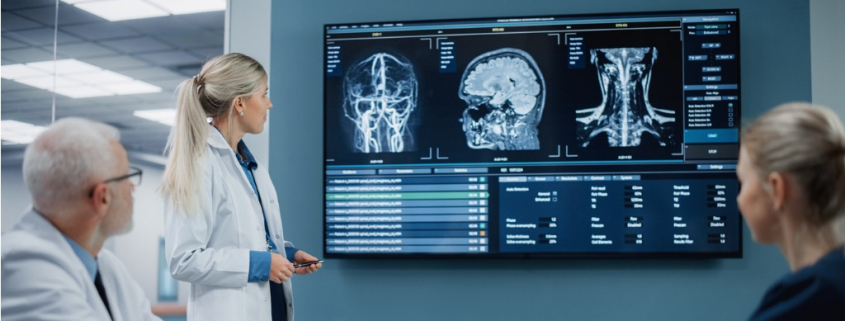
Second opinion of radiologist
Getting a second opinion from a radiologist in healthcare, especially for complex or critical cases, can offer several significant advantages:
Accurate Diagnosis: Different radiologists may interpret images differently due to variations in experience and expertise. A second opinion can help confirm the accuracy of the initial diagnosis, reducing the risk of misdiagnosis and ensuring the correct treatment plan.
Improved Confidence: Patients and healthcare providers can have greater confidence in the diagnosis and treatment plan when it’s supported by multiple expert opinions. This can lead to more informed decisions and better outcomes.
Alternative Interpretations: A second opinion may provide alternative perspectives on the imaging findings. This can lead to consideration of different treatment options or diagnostic approaches that may not have been initially considered.
Validation of Treatment Plans: For cases requiring surgery or other invasive procedures, a second opinion can validate the necessity of the procedure and the chosen approach, reducing the risk of unnecessary interventions.
Risk Reduction: Misdiagnoses or incomplete assessments can lead to unnecessary procedures, delays in appropriate treatment, or complications. A second opinion helps mitigate these risks by ensuring a thorough evaluation.
Complex Cases: In cases with complex or rare conditions, consulting multiple radiologists can help gather a broader range of expertise, leading to a more accurate and comprehensive understanding of the patient’s condition.
Patient Peace of Mind: For patients, obtaining a second opinion can provide peace of mind and alleviate anxiety, especially when facing uncertain or serious medical situations.
Legal and Ethical Considerations: In some cases, a second opinion might be necessary for legal or ethical reasons, ensuring that the best possible care is provided to the patient.
Research and Innovation: Radiology is a constantly evolving field with new technologies and techniques emerging. Seeking a second opinion can expose patients and healthcare providers to the latest advancements and innovative approaches.
Continuity of Care: In some cases, a second opinion might reveal additional details about the patient’s condition that were previously overlooked. This information can lead to adjustments in the treatment plan, ensuring better continuity of care.
It’s important to communicate openly with your healthcare provider when considering a second opinion. Most healthcare professionals understand and respect the value of seeking additional input, and they can help facilitate the process to ensure the best possible care for the patient.